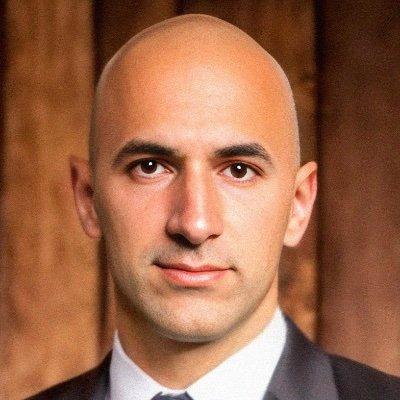
Daniel Vassallo is a software engineer from Malta who spent 8 years at Amazon Web Services before quitting in 2019 to work for himself. He now runs the Small Bets community with over 5,000 members and has become one of the most recognized voices in the indie hacker space for his portfolio approach to entrepreneurship.
Daniel Vassallo left a $500,000/year job at Amazon to bet on himself. Within 3 years, he generated over $1 million in revenue from digital products. In 2025, he sold his Small Bets community to Gumroad for $3.6 million.
His strategy wasn’t genius execution or venture capital. It was launching 70+ small experiments and letting randomness work in his favor.
This guide covers the philosophy, tactics, and how to apply portfolio thinking to AI-powered products.
What is Small Bets?
Small Bets is a business strategy built on portfolio thinking instead of single big bets. See Small Bets for a detailed breakdown of this philosophy.
Core principles:
- Launch many small experiments (20-50+)
- Accept low hit rates (5-10% succeed)
- Treat ideas like cattle, not pets
- Let randomness reveal winners
- Optimize for staying self-employed
Why it works:
You cannot predict winners upfront. Rapid experimentation with affordable failures is the only way forward.
Vassallo’s results:
- 70+ projects launched
- 4 profitable products (~5% hit rate)
- $1M+ in total revenue
- Small Bets community : $400K+/year
- The Good Parts of AWS : $100K+
- Everyone Can Build a Twitter Audience : $100K+
The Five Core Principles
1. Embrace Randomness
Actions:
- Launch fast, learn from market response
- Increase surface area for luck
- Accept that most bets fail
Vassallo’s quote:
“Business success is mostly a discovery problem, not execution. You cannot know in advance which idea will work.”
2. Portfolio Over Single Bets
Approach:
- Launch 20-50 small experiments
- Expect 5-10% to make money
- Winners fund more experiments
- Failures cost little time/money
Example portfolio:
| Product | Revenue | Status |
|---|---|---|
| The Good Parts of AWS | $100K+ | Winner |
| Everyone Can Build a Twitter Audience | $100K+ | Winner |
| Small Bets Community | $400K+/year | Winner |
| 66 other projects | $0-5K | Learning experiments |
3. Optimize for Self-Employment
Eliminate:
- Having a boss
- Working rigid 9-5 hours
- Commuting to an office
- Maintaining a big house
- Hiring employees
- Investor obligations
Vassallo’s definition of growth:
“My idea of growth is doing fewer things I’d rather not be doing.”
4. You Are the Product
Why it matters:
- Reduces customer acquisition cost
- Creates distribution advantage
- Enables premium pricing
Vassallo’s approach:
- Share first-hand experience publicly
- Post daily on Twitter (150 to 24K followers in 9 months)
- Document learning in real-time
- Sell courses about what you just learned
5. Survivorship Bias Awareness
Most success advice comes from survivors who mistake luck for skill. Randomness plays a larger role than tactics.
Example traps:
- “I succeeded because I worked 80-hour weeks”
- “My product won because of feature X”
Reality check:
Study the entire population (winners + losers). Portfolio math accounts for randomness; individual tactics don’t.
Vassallo’s Proven Tactics
Twitter Growth Strategy
System (150 → 24K in 9 months):
- Share first-hand experience
- Post practical tips, not theory
- Document learning publicly
- Engage with replies
Content types:
- AWS tips from 7 years at Amazon
- Business lessons from experiments
- Anti-goals and decision frameworks
- Revenue transparency
Product Development Process
Launch cycle:
- Identify skill/knowledge you have
- Package into digital product (course, ebook, community)
- Pre-sell before building (validate demand)
- Build minimum viable version
- Launch to Twitter audience
- Learn from sales/feedback
- Iterate or move to next bet
Timeline per product:
- Planning: 1-2 days
- Building: 1-4 weeks
- Launch: 1 day
- Total time investment: 2-5 weeks
If product fails: Move on. The 5% winners fund everything else.
Revenue Model
Platform stack:
- Gumroad : Product sales ($1.25M+ processed)
- Discord: Community hosting
- Twitter/X: Audience building
- Email: Direct communication
Pricing strategy:
- Courses: $49-199 one-time
- Community: $199/year or $999 lifetime
- Books: $29-49 one-time
Revenue breakdown (estimated):
- Small Bets Community : $400K+/year
- The Good Parts of AWS : $100K+
- Everyone Can Build a Twitter Audience : $100K+
- Other products: $50K+
How to Apply Small Bets to AI Products
AI lowers experimentation costs. Launch more bets faster.
Portfolio Ideas for AI Products
Content products:
- AI prompt libraries for specific use cases
- Video courses on AI workflows
- Ebooks on personal AI systems
- Template collections
Software products:
- No-code AI tools (Zapier + OpenAI)
- Custom GPTs for niche problems
- Automation workflows
- Chrome extensions
Community products:
- Paid Discord for AI builders
- Accountability groups
- Mastermind communities
- Cohort-based courses
Quick Launch Template
Week 1: List 20 product ideas, pick one requiring <20 hours.
Week 2-3: Build minimum viable version, no perfectionism.
Week 4: Launch on Twitter. Share story. Track sales for 30 days.
Week 5: Profitable = iterate. Unprofitable = archive. Repeat.
AI Automation Advantage
Use AI to launch bets faster:
Content creation:
- Draft course outlines with Claude
- Generate social posts with ChatGPT
- Create marketing copy variations
Product development:
- Build landing pages with v0/Cursor
- Generate code for simple tools
- Create graphics with Midjourney
Customer support:
- Answer questions with custom GPT
- Automate email responses
- Create FAQ chatbots
Common Mistakes to Avoid
Mistake 1: Treating Ideas Like Pets
Do: Launch in 2-4 weeks. Kill unprofitable products immediately.
Don’t: Spend 6 months perfecting. Refuse to pivot.
Mistake 2: Seeking Certainty
Do: Launch to learn. Let market decide winners.
Don’t: Wait for perfect idea. Over-research competition.
Mistake 3: Following Survivorship Advice
Do: Study entire populations. Focus on portfolio math.
Don’t: Copy famous entrepreneurs’ tactics. Ignore luck/timing.
Mistake 4: Optimizing for Revenue
Do: Define anti-goals first. Optimize for self-employment. Stay small.
Don’t: Maximize revenue. Hire teams. Raise funding.
Real Examples of Small Bets Winners
Example 1: The Good Parts of AWS
7 years at Amazon → ebook + video course (4 hours) pre-sold to Twitter audience → $100K+ in 3 weeks.
Example 2: Small Bets Community
Portfolio approach shared publicly → Discord community ($199/year, $999 lifetime) → $400K+/year → Sold to Gumroad for $3.6M.
Example 3: Everyone Can Build a Twitter Audience
150 → 24K followers → course ($149) → $100K+ in 2 weeks.
Tools for Small Bets Portfolio
Product Platforms
Gumroad:
- Digital product sales
- Email delivery
- Payment processing
- Affiliate system
Alternatives:
- Podia (all-in-one platform)
- Teachable (course focus)
- Stan Store (creator storefronts)
Community Platforms
Discord:
- Real-time chat
- Voice channels
- File sharing
- Role management
Alternatives:
- Circle.so (structured community)
- Slack (professional feel)
- Telegram (lightweight)
Audience Building
Twitter/X:
- Daily posting
- Thread writing
- Engagement tactics
- DM automation
Alternatives:
- LinkedIn (B2B audience)
- YouTube (video content)
- Newsletter (Beehiiv, ConvertKit)
AI Tools for Faster Launches
Content:
- Claude (writing, outlines)
- ChatGPT (social posts)
- Descript (video editing)
Development:
- Cursor (code generation)
- v0 (UI design)
- Replit (quick prototypes)
Design:
- Midjourney (graphics)
- Canva (templates)
- Figma (interfaces)
Key Takeaways
- Launch 20-50 experiments, expect 5-10% success rate
- Treat ideas like cattle (disposable), not pets
- Optimize for self-employment, not revenue maximization
- Build audience first, products second
- Accept randomness, increase surface area
Vassallo’s results: 70+ projects, 4 winners (~5% hit rate), $1M+ revenue, $3.6M acquisition.
Next Steps
Day 1: List 10 product ideas from your first-hand experience.
Day 2-14: Build minimum viable version.
Day 15: Launch publicly.
Day 16-30: Learn from market response.
Repeat 20 times. Portfolio math handles the rest.
External resources:
- @dvassallo on Twitter/X
- Small Bets Community
- Gumroad storefront (all products)
- Everyone Can Build a Twitter Audience